Enjoy Style and Protection with Chlorine-Resistant Pool Swimwear
Postet av Post Sphere den 6. jun 2026
There's nothing quite like the rhythm of gliding through a pool, the cool water washing away the stress of daily life. Yet for regular swimmers, a familiar frustration lurks beneath the surface: chlorine. While essential for keeping pools sanitary, this powerful chemical takes a toll on both your skin and your favorite swimsuit. Dry, irritated skin after a session and faded, stretched-out swimwear are problems nearly every pool enthusiast knows too well. The good news is that chlorine-resistant pool swimwear has emerged as a smart, modern solution that refuses to compromise on style. Today's swimmers no longer need to choose between looking great and staying protected. Advanced fabric technologies now deliver swimsuits that hold their shape, retain vibrant colors, and shield your skin from harsh chemical exposure—all while keeping up with current fashion trends. In this article, we'll explore why chlorine-resistant swimwear matters, how to choose comfortable and stylish options that suit your body and preferences, and the practical steps you can take to protect both your skin and your investment every time you dive in.
The Importance of Chlorine-Resistant Pool Swimwear for Swimmers
How Chlorine Damages Skin and Swimsuits
Chlorine is a potent oxidizing agent, and while it keeps pool water free from harmful bacteria, its chemical nature works aggressively against both human skin and swimwear fibers. When your skin is exposed to chlorinated water repeatedly, the chemical strips away natural oils that serve as your body's protective barrier. This leads to dryness, itching, and irritation that can become chronic for frequent swimmers. Some individuals develop contact dermatitis or experience worsening of existing conditions like eczema. The damage extends beyond the surface—chlorine can alter the skin's pH balance and weaken its ability to retain moisture over time.
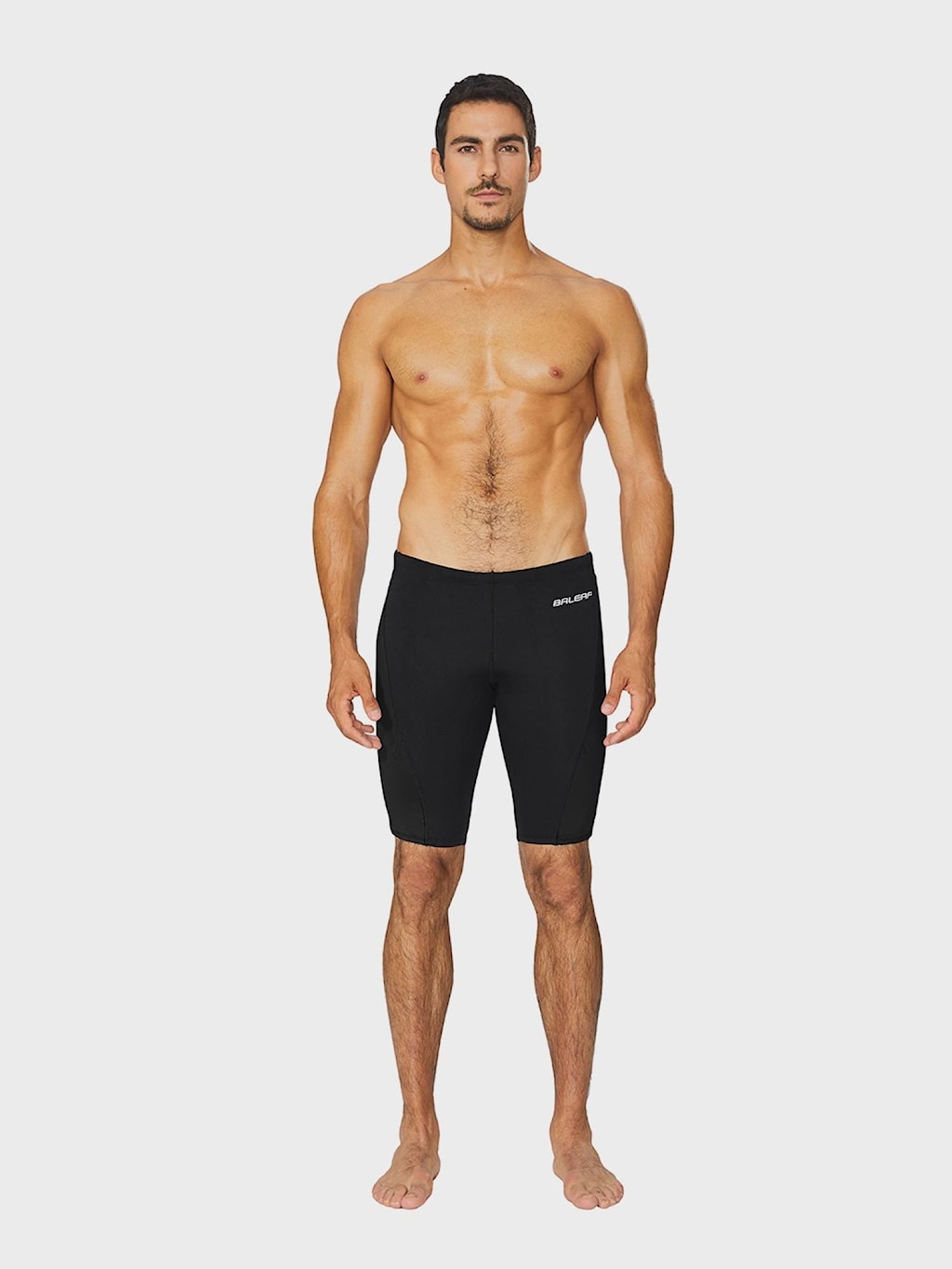
For swimwear, the destruction is equally relentless. Traditional fabrics like nylon and spandex are particularly vulnerable. Chlorine breaks down the elastic fibers at a molecular level, causing swimsuits to lose their stretch and recovery. Colors fade rapidly as the chemical bleaches dyes from the fabric. Within weeks of regular use, a once-vibrant swimsuit can look washed out, sag in unflattering ways, and develop a rough texture. The combination of chlorine exposure, UV light, and repeated wet-dry cycles accelerates this degradation, turning what should be a long-lasting garment into something you replace every few months.
Benefits of Investing in Chlorine-Resistant Materials
Chlorine-resistant swimwear is engineered specifically to withstand the harsh pool environment, and the difference in performance is remarkable. Fabrics like polyester and PBT (polybutylene terephthalate) form the backbone of these specialized garments. Unlike traditional elastane-heavy blends, polyester fibers are inherently resistant to chlorine's oxidizing effects because their molecular structure doesn't break down when exposed to the chemical. PBT takes this further by offering excellent stretch and recovery without relying on vulnerable elastic components.
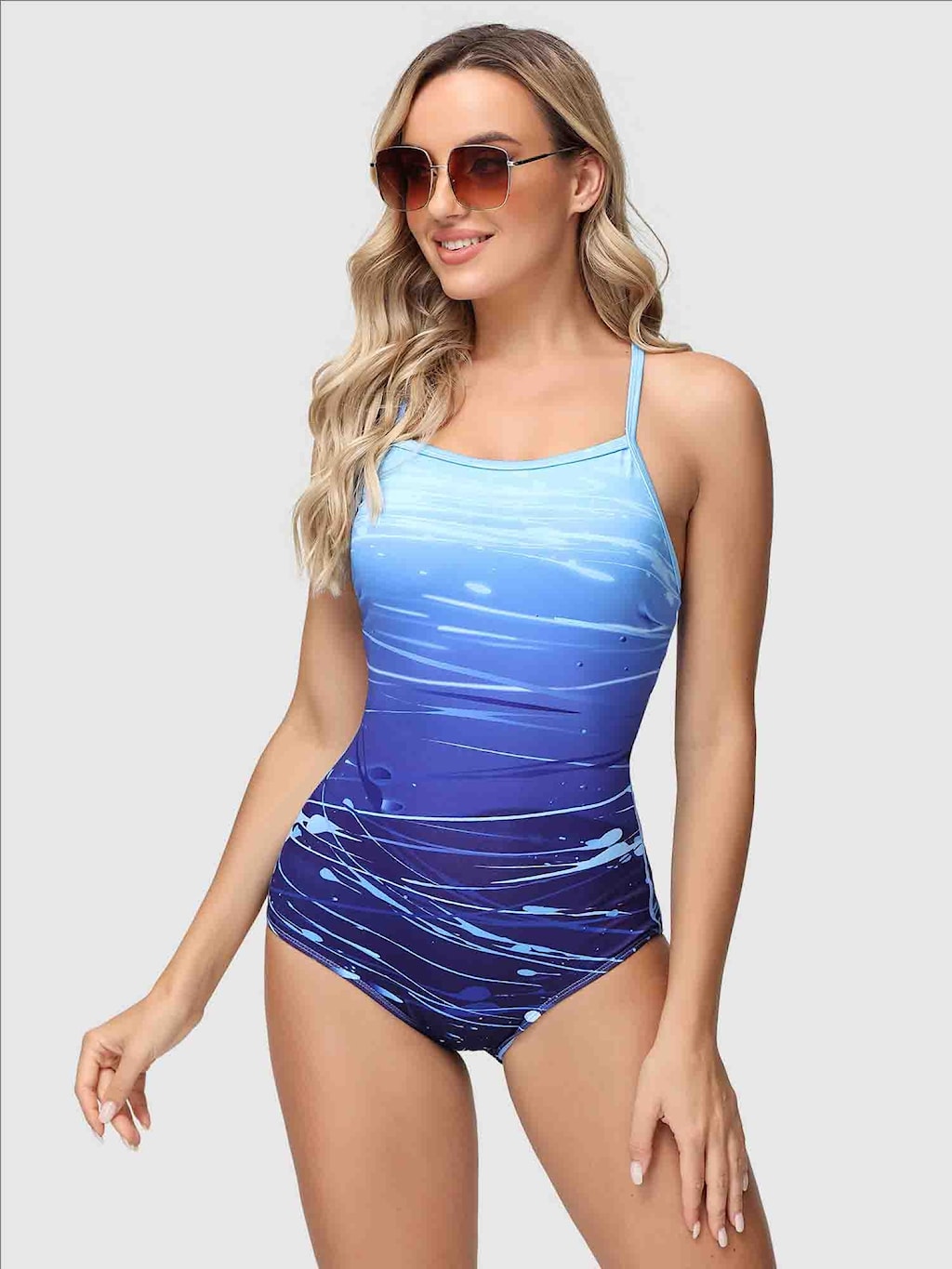
The longevity advantage alone makes chlorine-resistant swimwear a worthwhile investment. Swimmers who train several times per week can expect these suits to last up to ten times longer than conventional options. Color retention is another significant benefit—prints and solid hues remain vivid because the dyes bond more effectively with resistant fibers and aren't stripped away by chemical exposure. Beyond durability, many chlorine-resistant fabrics offer skin-friendly properties. They create a physical barrier between your skin and the treated water, reducing direct chemical contact during your swim. Some modern blends also incorporate smooth inner surfaces that minimize friction and chafing, making them gentler on sensitive skin. The result is swimwear that protects your body, maintains its appearance, and delivers consistent comfort session after session—a combination that traditional swimsuits simply cannot match in a chlorinated environment.
Choosing Comfortable and Stylish Swimwear for Every Swimmer
Key Features for Optimal Comfort in Pool Swimwear
Comfort in pool swimwear goes far beyond simply picking the right size off a rack. The construction details of a swimsuit determine whether you'll feel free and supported during your swim or constantly tugging and adjusting. Seamless construction has become a hallmark of well-designed pool swimwear, eliminating the rough edges and stitching lines that dig into the skin during repetitive movements. When seams are necessary, flatlock stitching lies smoothly against the body rather than creating raised ridges that cause chafing over extended sessions.
Adjustable straps offer another essential comfort feature, allowing swimmers to customize the fit across their shoulders and back. A strap that's too tight restricts arm movement and digs into muscles, while one that's too loose slides during flip turns or vigorous strokes. Look for swimsuits with wide, cushioned straps if you prefer extra support, or racerback designs that distribute weight evenly and stay firmly in place. Breathable mesh linings in the chest and torso area add a layer of modesty and support without trapping excess water, which can make a suit feel heavy and clingy. The right cut matters enormously too—higher leg openings provide greater freedom of movement for the hips, while moderate coverage options suit swimmers who prefer less exposure. Ultimately, the best swimsuit is one you forget you're wearing because it moves with your body rather than against it.
Trendy Designs to Boost Confidence
Gone are the days when chlorine-resistant swimwear meant settling for plain black one-pieces with zero personality. Today's designers have embraced the challenge of making durable pool swimsuits that genuinely excite swimmers about getting dressed for their workout. Bold geometric prints, tropical patterns, and color-block designs dominate current collections, with dye technologies that keep these vibrant looks intact despite repeated chlorine exposure. Deep jewel tones like emerald, sapphire, and burgundy offer sophisticated alternatives to basic black, while bright corals and teals make a statement poolside.
One-piece swimsuits remain the go-to choice for serious lap swimmers, but modern iterations feature plunging mesh panels, asymmetric necklines, and strategic cutouts that add visual interest without compromising performance. For water aerobics or casual pool sessions, two-piece options including tankinis and high-waisted bikinis provide flexibility and easy bathroom breaks while still offering adequate coverage and support. Swimmers with longer torsos benefit from brands offering tall sizing, while those seeking more compression can find suits with built-in power mesh panels that smooth and support. Brands like Baleaf Sports have expanded their swimwear lines to include chlorine-resistant options that balance athletic performance with contemporary style. The key to confidence is finding a style that aligns with your personal aesthetic and body shape—whether that means a sporty racerback with graphic prints or an elegant solid suit with subtle texture details. When you feel good in what you're wearing, your entire swimming experience transforms from routine exercise into something you genuinely look forward to.
Step-by-Step Solutions to Protect Skin and Swimwear from Chlorine
Pre-Swim Preparation Steps
Taking a few minutes before you enter the pool can dramatically reduce chlorine's impact on both your skin and your swimwear. Start by showering thoroughly with fresh water before your swim. When your skin and hair are already saturated with clean water, they absorb significantly less chlorinated pool water—think of it like a sponge that's already full. This simple step alone can cut chemical absorption considerably. After rinsing, apply a thin layer of pre-swim lotion or barrier cream to exposed skin. These products create an invisible shield that prevents chlorine from stripping away your natural oils. Pay special attention to areas prone to dryness, such as your shoulders, chest, and the backs of your arms.
Your swimsuit benefits from the same pre-soak approach. Rinse your chlorine-resistant swimwear under cool tap water before putting it on. When the fabric fibers are already holding fresh water, they resist absorbing as much chlorinated water during your session. Some swimmers take this a step further by lightly applying a swim-specific fabric conditioner designed to coat fibers and repel chemical penetration. Additionally, consider wearing a swim cap to protect your hair and applying a leave-in conditioner to any exposed strands. These preparation rituals take less than five minutes but compound over time, preserving your skin's health and extending the functional life of your swimwear significantly.
Post-Swim Care and Maintenance Routines
What you do immediately after leaving the pool matters just as much as your pre-swim routine. Rinse your body thoroughly with fresh, lukewarm water as soon as possible—ideally within minutes of exiting the pool. Use a gentle, pH-balanced body wash to neutralize any residual chlorine clinging to your skin, then follow up with a rich moisturizer while your skin is still slightly damp to lock in hydration. For your swimsuit, remove it promptly and rinse it under cool running water, gently squeezing the fabric to flush out trapped chemicals. Avoid wringing or twisting the material, as this stresses the fibers unnecessarily.
Hand washing your chlorine-resistant swimwear in cool water with a mild detergent or specialized swimwear cleanser after each use prevents chemical buildup that degrades fabric over time. Never use bleach, fabric softener, or hot water, as these accelerate fiber breakdown even in resistant materials. After washing, lay your swimsuit flat on a clean towel and roll the towel to press out excess moisture, then reshape the suit and dry it flat in a shaded area away from direct sunlight. Heat from dryers and prolonged UV exposure both weaken elastic components. For storage, keep your swimwear in a cool, dry drawer rather than sealed in a plastic bag where moisture can breed mildew. Rotating between two or more suits gives each one time to fully recover its shape between sessions, effectively doubling the lifespan of your collection.
Enhancing Water Adventures with the Right Swimwear
Swimwear Recommendations for Different Water Activities
Chlorine-resistant swimwear isn't limited to monotonous lap swimming—it enhances every type of water activity you pursue. For dedicated fitness swimmers logging multiple sessions per week, streamlined one-piece suits with low drag profiles and secure racerback designs keep you focused on performance without worrying about fabric deterioration. The snug, compressive fit reduces water resistance while the chlorine-resistant construction ensures your training suit performs consistently across hundreds of sessions.
Water aerobics demands a different approach. These high-energy classes involve jumping, twisting, and lateral movements that test a swimsuit's staying power. Look for chlorine-resistant options with higher necklines, wider straps, and built-in bras that provide bounce control and security during vigorous choreography. Tankini styles work particularly well here, offering full coverage that stays in place without restricting your range of motion. For outdoor adventures where pool time blends with beach days or water parks, versatile chlorine-resistant swimwear pulls double duty. These suits handle both chlorinated pools and saltwater exposure without breaking down, making them ideal travel companions. Quick-drying fabrics with UPF sun protection add another layer of practicality for swimmers who transition between indoor and outdoor environments. Whatever your water activity of choice, choosing swimwear engineered for durability means you spend less time shopping for replacements and more time enjoying the water with confidence and style.
Swim with Confidence in Durable, Stylish Chlorine-Resistant Swimwear
Chlorine-resistant pool swimwear represents a meaningful upgrade for anyone who spends regular time in the water. By choosing swimsuits crafted from advanced materials like polyester and PBT, you gain lasting protection against the chemical wear that destroys conventional swimwear while also creating a barrier between your skin and harsh pool chemicals. Style no longer takes a backseat to function—today's chlorine-resistant options deliver bold prints, flattering cuts, and designs that make you feel confident whether you're training for fitness or enjoying a casual swim. Comfort features like seamless construction, adjustable straps, and supportive linings ensure your suit works with your body through every stroke and turn. Equally important are the care habits that preserve both your skin and your investment: rinsing before and after swimming, moisturizing promptly, hand washing with gentle cleansers, and drying flat away from heat and sunlight. These small routines compound over months, keeping your skin healthy and your swimwear performing like new. Whether you swim for exercise, relaxation, or adventure, making informed choices about your pool swimwear transforms the entire experience. You spend less money on replacements, less time dealing with skin irritation, and more time doing what you love—moving through the water with ease, confidence, and style.
Logg inn for å skrive en kommentar.
Siste fra Post Sphere


