
Hosting Japanese Athletes: The Event Documents That Need Translating
Postet av Post Sphere den 18. aug 2026
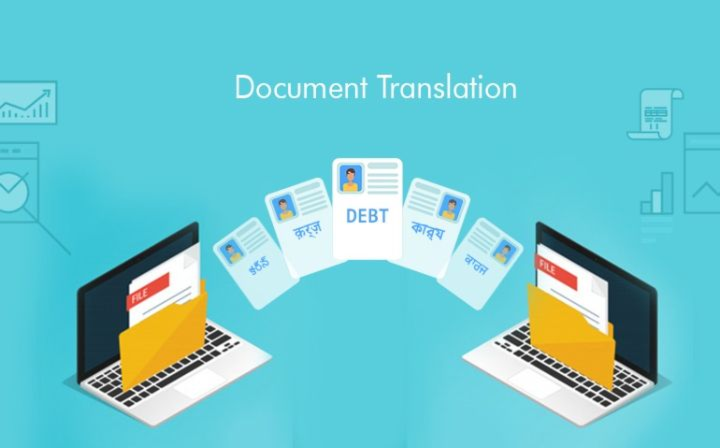
International sporting events require careful planning. When Japanese athletes travel to another country for training, competition, exhibitions, or promotional activities, organizers need accurate documentation in both languages.
The paperwork might start with registration forms and travel details. It can then expand into accommodation information, schedules, medical forms, venue instructions, transportation plans, media documents, sponsorship material, and emergency procedures.
For event organizers working with Japanese athletes, professional Japanese document translation services help keep these materials clear, consistent, and easy to follow.
Start With Athlete Registration
Registration documents provide essential information about each participant.
These forms may include:
• Full name
• Date of birth
• Nationality
• Team information
• Sport and discipline
• Competition category
• Contact details
Names require careful handling.
Use the official spelling provided by the athlete or team. Do not assume an English spelling when an approved version already exists.
Travel Documents Need Accuracy
Athletes often travel with coaches, managers, medical staff, and other team members.
Organizers might need to provide Japanese versions of:
Travel schedules
Airport instructions
Transportation details
Show information
Arrival procedures
Departure information
Dates and times should receive special attention.
A simple mistake in an arrival time could affect airport transfers or accommodation arrangements.
Accommodation Information
Hotels and event organizers often exchange detailed accommodation information.
Documents may include:
• Room assignments
• Check in instructions
• Meal schedules
• Hotel rules
• Wi Fi information
• Emergency contacts
• Transportation arrangements
Japanese athletes should receive clear information before arrival.
If several teams stay at the same property, use consistent terminology for rooms, facilities, and services.
Competition Schedules
Schedules are among the most important event documents.
They may contain:
Training sessions
Qualifying rounds
Competition times
Venue locations
Warm-up periods
Award ceremonies
A schedule should be easy to scan.
Use clear formatting and verify every date and time against the official event schedule.
Venue Information
Athletes need to understand how the venue works.
Information may cover:
• Entrances
• Accreditation desks
• Changing rooms
• Training areas
• Competition zones
• Medical facilities
• Equipment areas
If the venue is large, organizers might also provide maps.
Japanese labels and instructions should match the actual signs used at the venue.
Accreditation Documents
Athletes and staff often need accreditation.
The documentation might explain:
Badge collection
Access areas
Security procedures
Identification requirements
Lost badge procedures
These instructions should use clear Japanese.
Security information requires careful review because participants need to understand access restrictions.
Training Information
Training schedules often change.
Organizers should provide updated Japanese versions when changes affect Japanese teams.
Training information might include:
• Session times
• Training locations
• Equipment requirements
• Coach access
• Transport arrangements
Keep a clear version number or date on updated documents.
Transportation Instructions
International events often arrange buses, shuttles, trains, or private vehicles.
Transportation documents might contain:
Pickup locations
Departure times
Vehicle information
Driver contact details
Route information
Names, times, and locations should be checked separately before distribution.
Medical Documents
Sports events often involve medical information.
Athletes may need translated forms for medical history, treatment preferences, allergies, or emergency contacts.
Medical content requires specialist review.
Organizers should also protect confidential information and limit access to authorized personnel.
Emergency Procedures
Emergency information needs clear language.
Documents might explain:
• Emergency exits
• Medical facilities
• Contact numbers
• Evacuation procedures
• Security instructions
• Assembly points
Avoid complicated wording.
Participants should understand what action to take immediately.
Insurance Documents
International athletes may require insurance documentation.
This could include coverage details, claim procedures, emergency contacts, and policy information.
Insurance terminology needs careful translation because the wording can affect how participants understand their coverage.
Equipment Documentation
Athletes often travel with specialized equipment.
Organizers might provide information about:
Equipment storage
Inspection
Transportation
Venue restrictions
Customs procedures
Collection times
Technical terms should remain consistent.
If equipment requires special handling, instructions should be clear and specific.
Customs Information
International sporting events can involve sports equipment, supplements, uniforms, electronics, and other items.
Organizers might need to provide customs guidance.
The translation should preserve official requirements and avoid adding unsupported instructions.
When documents relate to government procedures, use approved terminology where available.
Anti-Doping Information
Many sporting events provide anti-doping policies and procedures.
These materials might include testing instructions, athlete rights, sample procedures, and prohibited substance information.
Accuracy matters.
Use official terminology from the relevant sporting authority where available.
Athlete Code of Conduct
Events often require participants to follow conduct rules.
The code may cover:
• Venue behavior
• Media conduct
• Team responsibilities
• Security requirements
• Sponsor restrictions
• Disciplinary procedures
The Japanese version should communicate the rules clearly.
Media Documents
Japanese athletes might participate in interviews, press conferences, photography sessions, and promotional events.
Media documents could include:
Interview schedules
Media guidelines
Press conference instructions
Photography rules
Interview locations
The wording should be professional and easy to understand.
Sponsorship Requirements
Sports events often involve sponsors.
Athletes may need to follow rules concerning logos, clothing, interviews, and promotional appearances.
These requirements should be clearly explained.
A translation error could create confusion between event organisers, athletes, teams and sponsors.
Social Media Guidelines
Some events provide social media policies.
These might explain what athletes are permitted to post and which content is restricted.
Guidelines could cover:
• Event photography
• Sponsor references
• Competition information
• Confidential material
• Official hashtags
If social media content is translated, the Japanese version should maintain the same rules as the original.
Food and Dietary Information
International athletes often need detailed information about meals.
Documents may list:
Meal times
Dining locations
Ingredients
Allergens
Special dietary options
Food related information should be accurate.
Allergen information deserves particular attention.
Language Support at the Venue
Some events provide interpreters or bilingual staff.
Event documents should explain where language assistance is available.
This may include:
• Help desks
• Medical interpretation
• Transportation support
• Registration assistance
• Competition information
Providing this information before the event helps participants know where to seek support.
Event Maps Need Localization
Maps contain many labels.
Japanese versions might identify:
Entrances
Exits
Medical rooms
Restrooms
Training areas
Information desks
Transportation points
Text should remain readable at the final document size.
The Japanese labels should also match physical venue signs.
Certificates and Awards
Athletes might receive certificates, participation documents, or awards.
Names should be checked carefully.
Use the official name provided by the athlete or governing body.
Formatting should also match the event's branding requirements.
Document Updates Are Common
Event information changes frequently.
A venue might change. A training session might move. Transportation times might be updated.
Organizers should have a process for updating translated documents quickly.
Keep the source and Japanese versions linked to the same revision number.
Confidentiality Matters
Some event documents contain sensitive information.
Medical records, travel details, personal contacts, and security information should receive appropriate protection.
Before sharing documents with a translation provider, organizers should understand how files are stored and who has access.
Create a Translation Glossary
Large events involve repeated terminology.
Create a glossary cover:
• Venue names
• Competition terms
• Sport specific language
• Team names
• Organization names
• Transportation terms
• Medical terminology
Use approved terms throughout the event documentation.
Review Before Distribution
Before sending documents to athletes, review:
Names
Dates
Times
Locations
Contact numbers
Venue information
Safety instructions
Medical information
Competition details
Formatting
These checks help prevent avoidable problems.
Work With a Specialist Provider
When selecting Japanese document translation services, consider experience with sports, events, travel, medical documents, technical information, and public communications.
Ask whether the provider offers proofreading and document formatting.
For large events, terminology management also helps keep every document consistent.
Plan Before the Athletes Arrive
Translation should begin well before arrival.
Create a document list and identify deadlines.
Prioritize information athletes need before travel, then work through venue, competition, media, and post event documents.
This gives translators enough time to review the material properly.
Build a Reusable Event Workflow
Organizers who host Japanese teams regularly should keep an approved translation library.
Store:
Previous schedules
Venue terminology
Registration templates
Emergency instructions
Transportation wording
Accommodation information
Future events will require fewer repeated decisions.
Hosting Japanese athletes involves much more documentation than registration forms and schedules. Travel instructions, accommodation details, venue maps, medical information, transportation plans, competition schedules, media guidelines, and emergency procedures all need careful preparation.
Professional Japanese document translation services help organizers present these materials clearly and consistently.
Start by creating a complete document inventory. Identify information that athletes need before traveling and prioritize safety, medical, transportation, registration, and competition documents.
Maintain a shared glossary for venue names, sport terminology, organization names, and recurring instructions. Review names, dates, times, contact information, and safety details separately before distribution.
For international sporting events, accurate documentation supports smoother communication between athletes, coaches, organizers, venues, sponsors, and support staff. Early planning gives everyone more time to review important information and reduces avoidable confusion during the event.
Logg inn for å skrive en kommentar.
Siste fra Post Sphere


What Is Practical Shooting?
29.06.2026