
What Is Practical Shooting?
Postet av Post Sphere den 29. jun 2026
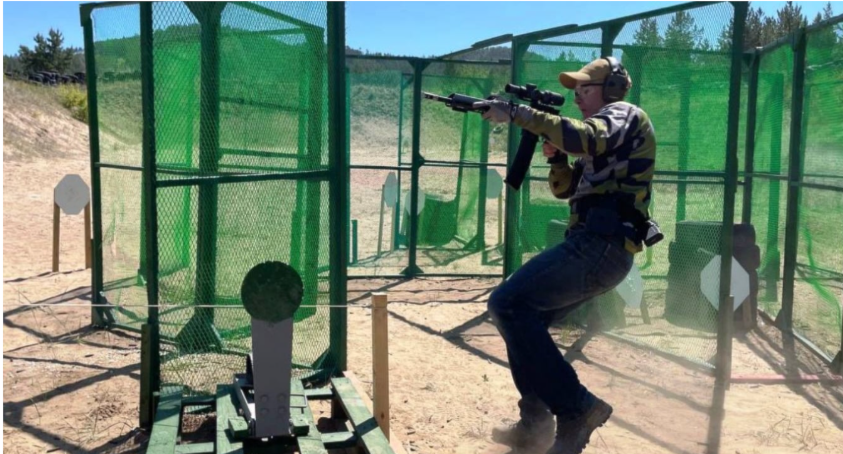
The youngest of all shooting sports, yet the most popular, practical shooting is steadily moving toward Olympic recognition. It is truly spectacular, dynamic, and thrilling. The International Practical Shooting Confederation (IPSC) brings together national federations from more than 90 countries around the world. In the United States, this sport is especially popular: annual competitions draw thousands of participants, and shooting clubs can be found in nearly every city, from California to Florida.
Firearms have always commanded attention. Shooting delivers an adrenaline rush on par with many extreme sports. The crack of gunfire, the recoil, the unmistakable smell of burnt powder, and that feeling of a small victory when your bullet hits the mark are all part of the experience. Yet it is surprising how dull traditional shooting disciplines can be. Most of them involve standing still in one spot and firing round after round at a target.
Practical shooting is a completely different story. Here, athletes rarely remain stationary. Fast, accurate shooting is punctuated by active movement across a course filled with targets and obstacles. Even while on the move, shooters can continue engaging targets. The sport fully lives up to its motto: "Accuracy, Power, Speed." Broadcasts from IPSC events can rival boxing matches in terms of sheer excitement.
Origins of Practical Shooting
Practical shooting was born in the 1950s in California. World War II had underscored that traditional marksmanship training from a fixed position was ill suited to real combat conditions. Thanks to the efforts of enthusiasts, most notably Colonel Jeff Cooper, a new discipline emerged. Its goal was to provide police officers, military personnel, and anyone interested in armed self defense with an effective method for honing practical skills and evaluating a shooter's proficiency. Within two decades, this method had evolved into one of the most engaging shooting sports in existence.
In the United States, practical shooting gained momentum quickly. Today, the country hosts major events like the USPSA Nationals, which attract top shooters from across the nation. Many American shooting clubs offer introductory programs, giving everyone a chance to try their hand at this exhilarating sport.
Key Features of Practical Shooting
The first and most defining feature is movement. A shooter's movement on the course is limited only by penalty lines that cannot be crossed. To hit all the targets, competitors must navigate the course, and they must do so quickly. The final score depends on the time elapsed between the start signal and the last shot. Points are also affected by accuracy and any penalties for errors or misses. This creates a unique dynamic where speed and precision must be perfectly balanced.
Movement is not just horizontal; it is vertical as well. Shooters may need to drop to the ground to engage targets through low ports, climb over obstacles, or crawl through tunnels. Yet no exercise follows a rigidly predetermined route. Another factor that distinguishes practical shooting from conventional range shooting is variety. Walls and ports, diverse target types, stationary and moving targets, doors, and other props all serve to make scenarios as varied and engaging as possible, even for seasoned marksmen.
How to Prepare for Practical Shooting
Preparation for practical shooting requires more than just regular range visits; it demands extra work on technique. Experienced competitors know that success hinges on consistent practice. This is where dry fire comes in, which means honing skills without using live ammunition.
For those just starting out in practical shooting, many instructors recommend investing in laser based dry fire training systems. These affordable yet highly effective solutions provide objective feedback on every shot. A prime example is the iShooter system from SHOOTING SOFT LLC. This laser trainer connects to a smartphone or tablet and records each hit on the target. Such equipment is especially popular among American shooters who appreciate the ability to train at home, in the garage, or even at the office after work. The system instantly displays results on screen, helping users analyze errors and adjust technique without firing a single live round.
In the United States, many shooting clubs and instructors encourage beginners to start with these systems to build foundational skills before their first trip to the range. This approach lowers psychological barriers, saves money, and accelerates progress.
Conclusion
Practical shooting is a sport that combines speed, precision, and tactical thinking. It is accessible to people of all ages and fitness levels. Modern technology, such as the iShooter system, makes competition preparation more effective and affordable than ever. If you have been looking for something new and exciting to try, practical shooting could be your perfect hobby. Join the global community of shooters and discover a world of dynamic competition and continuous self improvement.
Logg inn for å skrive en kommentar.