
Japanese Sports Terminology: What Doesn't Cross Over
Postet av Post Sphere den 18. aug 2026
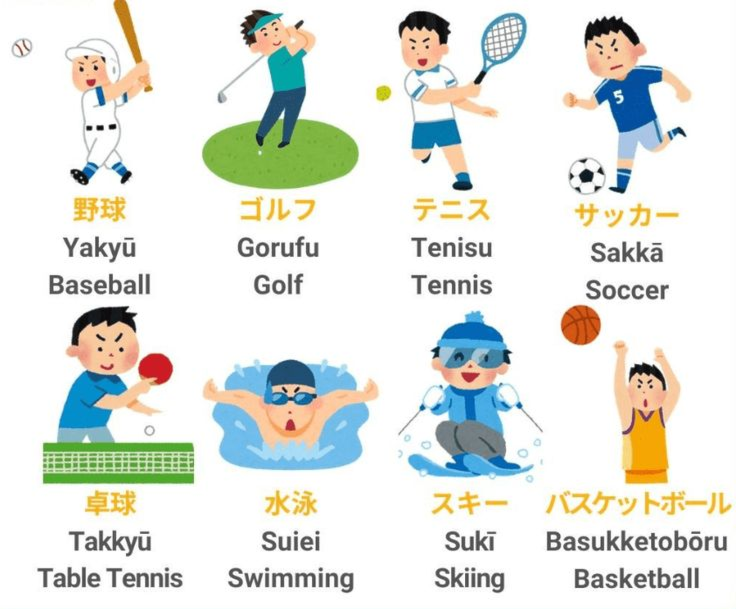
Sports look universal on the surface. A football match, baseball game, tennis tournament, or martial arts event follows rules that athletes and fans understand across countries.
The language used around those sports is less universal.
Japanese sports terminology often carries meanings, cultural references, and communication habits that do not transfer cleanly into English. A direct translation might produce words that are technically correct but fail to communicate how athletes, coaches, commentators, or fans actually use the term.
For international sports organizations, broadcasters, clubs, and event organizers, professional Japanese language translation services help adapt sports terminology while preserving the original meaning and context.
Why Sports Terms Need Context
A single Japanese term might have different meanings depending on the sport or situation.
A coach might use a term differently from a commentator. A player might use informal language with teammates while official documents use more formal terminology.
The translator needs to understand who is speaking and where the term appears.
This concerns:
• Training documents
• Match reports
• Broadcast scripts
• Interviews
• Websites
• Event materials
• Social media content
Context should guide the translation.
Japanese Sports Language Includes Borrowed Terms
Japanese sports vocabulary contains many words borrowed from English and other languages.
Words such as "team," "game," "player," and "coach" often appear in Japanese forms.
However, the Japanese usage does not always match the original English meaning.
A borrowed term might have developed a specific meaning in Japanese sports culture.
Translators need to identify whether a word functions as a direct equivalent or as a Japanese sports term with its own usage.
Katakana Does Not Guarantee Easy Translation
Foreign words are often written in katakana.
This might make them look familiar to an English speaker.
Still, the meaning can differ.
For example, a Japanese sports term might originate from an English word but describe a narrower concept in Japanese.
Translators should therefore avoid assuming that every katakana sports term has the same meaning as its English source.
Baseball Shows the Difference Clearly
Baseball has a long history in Japan.
Japanese baseball vocabulary includes many terms familiar to international fans, but their usage can differ from English baseball communication.
Coaches, players, and commentators might use established Japanese expressions for tactics, batting, pitching, and defensive play.
A translator working on Japanese baseball content needs to understand both languages and baseball terminology.
Baseball Strategy Requires Precision
Japanese baseball discussions often contain detailed descriptions of strategy.
A translation might need to explain:
Pitch selection
Batting approach
Defensive positioning
Base running
Bunts
Pitching changes
The right English term depends on context.
A word for a specific Japanese tactic should not be translated into a generic phrase if a recognized English baseball term exists.
Martial Arts Create Another Challenge
Japanese martial arts have terminology rooted in Japanese culture.
Judo, karate, kendo, aikido, and other disciplines use Japanese terms for techniques, positions, training practices, and etiquette.
Some terms have widely accepted English equivalents.
Others are often retained in Japanese.
A translator needs to know which approach is appropriate for the target audience.
Should Japanese Terms Stay in Japanese?
Not every Japanese sports term needs translation.
A term might be widely recognized internationally and commonly used in its Japanese form.
Examples from martial arts often remain in Japanese because the original term carries technical meaning and cultural context.
The translator should decide based on audience, publication style, and sport specific conventions.
Names of Techniques Need Accuracy
Technique names often require careful treatment.
A martial arts technique might have a literal meaning, an established English name, or both.
The best translation depends on the intended audience.
For beginner material, an explanation might be useful.
For specialist audiences, retaining the Japanese term with an established English equivalent might work better.
Coaching Language Is Different
Coaches use short instructions during training and competition.
These instructions need to be understood quickly.
A literal translation might sound unnatural or take too long to communicate.
The translator should consider:
• Situation
• Time pressure
• Athlete level
• Sport
• Coach's role
The goal is clear communication.
Commentators Use Different Language
Sports commentary has its own rhythm.
Commentators describe action quickly and often use established phrases.
Japanese commentary might contain expressions that do not have direct English equivalents.
A translator needs to communicate the same information without making the commentary sound unnatural.
This is especially important for live broadcasts.
Sports Headlines Need Adaptation
Sports websites often use short headlines.
Japanese headlines might omit information that English headlines normally include.
A direct translation can sound awkward.
A better approach is to identify the main point and create a natural headline for the target audience.
The factual meaning should remain accurate.
Player Interviews Need Voice Preservation
Athletes do not all speak in the same way.
Some use formal language. Others speak casually.
A professional athlete might give a measured answer during a press conference while using relaxed language in a personal interview.
The translation should preserve these differences.
Changing each speaker into the same style removes part of the original voice.
Honorifics Affect Sports Interviews
Japanese uses different levels of politeness.
A player speaking to a coach might use different language from a player speaking to a teammate.
Journalists also use formal language when interviewing athletes.
English often communicates these differences through word choice rather than grammatical structures.
The translator needs to preserve the relationship and tone without adding unnecessary formality.
Team Names and Organization Names
Sports content contains many proper names.
These include:
Teams
Leagues
Federations
Stadiums
Tournaments
Sponsors
Use official English names when available.
Do not create a new translation if the organization already has an approved international name.
Consistency matters across articles, websites, schedules, and promotional materials.
Tournament Names Need Consistency
A tournament might have an official English title.
The Japanese version might also have an established name.
Check official sources or provided style guides before translating.
Using different names across promotional materials can confuse international audiences.
Rules and Regulations Need Precision
Sports organizations publish rules, competition regulations, eligibility requirements, and disciplinary procedures.
These documents need accurate terminology.
A small wording difference might affect how a participant understands a rule.
For official regulations, use established terminology and consider specialist review.
Sports Statistics Need Care
Sports articles contain many numbers.
Examples include:
• Scores
• Rankings
• Win records
• Player statistics
• Match times
• League standings
Numbers should be checked separately from the language.
A translation should never alter a statistic.
Positions Can Differ Between Sports
Some position names have established English equivalents.
Others depend on the sport.
A Japanese term might refer to a role with a specific tactical meaning.
The translator should identify the sport before selecting an English equivalent.
Using a generic term might remove important information.
Fan Language Is More Informal
Sports fans often use slang and shortened terms.
Social media posts can contain abbreviations, jokes, and emotional expressions.
These phrases might not translate word for word.
A professional translation should preserve the intended tone while keeping the meaning clear.
For social media content, audience expectations matter as much as literal accuracy.
Sponsorship Language Needs Consistency
Sports organizations often work with sponsors.
Promotional documents may contain sponsor names, product references, and campaign phrases.
Use the official brand names and approved wording.
Do not alter trademarks or sponsor terminology without approval.
Event Documents Need Clear Terms
International sports events often require Japanese and English documentation.
This may include:
Registration forms
Competition schedule
Venue guides
Athlete instructions
Safety information
Media guidelines
The terminology should remain consistent throughout the event.
Build a Sports Glossary
A glossary is useful for long projects.
Includes:
• Sport specific terms
• Technique names
• Positions
• Team names
• League names
• Tournament names
• Organization names
• Common coaching phrases
The glossary should also identify terms that should remain in Japanese.
Use Specialist Review
A language translator might produce grammatically correct Japanese or English.
A sports specialist can check whether the terminology makes sense within the sport.
For important content, consider a two stage review.
The first reviewer checks language.
The second reviewer checks sports terminology and context.
Different Content Needs Different Treatment
A sports organization's website, rulebook, interview, and social media account should not use the same translation style.
Each format has a different purpose.
A rulebook requires precision.
A social post needs concise language.
An interview needs natural spoken language.
A marketing campaign needs audience-focused wording.
The translator should know the final use before starting.
Avoid Literal Translation
Literal translation often fails when terms have cultural or sport specific meaning.
The translator should first identify the intended message.
Then select the natural equivalent for the target audience.
This approach helps preserve meaning without creating awkward language.
Review the Final Content in Context
A translated sports term should be checked where it will actually appear.
Watch the broadcast. Read the article. Review the match report. Check the website.
Context can reveal problems that are difficult to see in a translation file.
This is especially important for short terms with multiple possible meanings.
Choosing the Right Translation Provider
When selecting Japanese language translation services, look for experience with sports content.
Ask about previous work involving:
• Sports organizations
• Athletes
• Broadcasting
• Event documentation
• Training material
• Sports websites
Specialist experience helps the translator recognize terms that require adaptation rather than direct translation.
Japanese sports terminology does not always cross directly into English. Borrowed words, martial arts terminology, coaching language, fan expressions, commentary phrases, and sport specific tactics all require context.
Professional Japanese language translation services help organizations manage these differences while keeping content accurate and natural.
The strongest approach starts with the target audience and content type. A rulebook requires precise terminology. A broadcast needs natural spoken language. A player interview should preserve the athlete's voice. Social media content needs concise language suited to fans.
Create a sports glossary for recurring terms, team names, tournament titles, positions, and techniques. Mark terms that should remain in Japanese and identify approved English equivalents where available.
Before publication, review important translations in their final context. Check statistics, names, scores, dates, and official terminology separately.
For sports organizations working between Japan and international audiences, careful language work helps athletes, coaches, broadcasters, fans, and event teams understand the same information without unnecessary confusion.
Logg inn for å skrive en kommentar.