Metrology Solutions: The Foundation of Precision in Modern Manufacturing
Postet av alexa helrs den 19. jul 2026
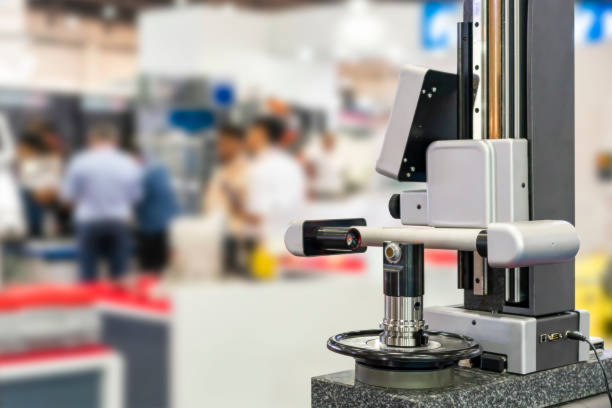
In today's highly competitive manufacturing landscape, precision is more important than ever. Whether producing aerospace components, automotive parts, medical devices, or consumer electronics, businesses rely on accurate measurements to maintain quality, reduce waste, and comply with strict industry standards. This is where metrology solutions play a vital role.
Metrology is the science of measurement, and modern metrology solutions provide manufacturers with the tools, technologies, and expertise needed to achieve exceptional accuracy throughout the production process. By implementing advanced measurement systems, companies can improve product consistency, enhance operational efficiency, and minimize costly errors.
What Are Metrology Solutions?
Metrology solutions encompass a wide range of measurement equipment, software, calibration services, and quality control processes designed to ensure accurate dimensional inspection. These solutions help manufacturers verify that every component meets precise specifications before reaching customers.
Depending on the application, metrology solutions may include coordinate measuring machines (CMMs), laser scanners, optical inspection systems, portable measuring devices, surface roughness testers, and specialized measurement software. Together, these technologies create a complete quality assurance system that supports every stage of production.
Why Precision Measurement Matters
Even the smallest measurement error can have significant consequences. A minor deviation in a critical component may result in assembly failures, increased material waste, expensive recalls, or reduced product performance.
Reliable metrology solutions help manufacturers identify these issues early in the production cycle. Instead of discovering defects after products reach customers, businesses can detect problems during manufacturing, allowing for immediate corrective action.
Accurate measurement also strengthens customer confidence by ensuring that every product consistently meets design requirements and regulatory standards.
Industries That Benefit from Metrology
Virtually every precision manufacturing industry depends on advanced measurement technologies. Some of the most common sectors include:
Aerospace
Aircraft components require extremely tight tolerances to maintain safety and performance. Precision inspection ensures that every part meets demanding engineering standards.
Automotive
Automotive manufacturers use metrology throughout production to inspect engines, transmissions, chassis components, and safety systems, helping maintain consistent quality while reducing manufacturing defects.
Medical Devices
Medical equipment and implants require exceptional accuracy to comply with regulatory requirements and ensure patient safety. Metrology helps verify that every device meets strict dimensional specifications.
Electronics
As electronic devices become increasingly compact, manufacturers rely on precision measurement to inspect tiny components and printed circuit boards without compromising quality.
Industrial Manufacturing
General manufacturing facilities use metrology to inspect machined parts, molds, tooling, and production equipment to improve efficiency and reduce downtime.
Benefits of Modern Metrology Solutions
Implementing comprehensive metrology systems offers numerous advantages beyond simple measurement accuracy.
One of the biggest benefits is improved product quality. Accurate inspections ensure that every manufactured part meets engineering specifications before shipment.
Metrology also reduces production costs by identifying defects earlier in the manufacturing process. Detecting problems before assembly prevents unnecessary rework, scrap materials, and production delays.
Another significant advantage is increased productivity. Modern automated inspection systems can perform complex measurements much faster than traditional manual methods, allowing manufacturers to inspect more parts while maintaining high accuracy.
Digital reporting capabilities also simplify documentation and quality audits, making it easier to demonstrate compliance with international standards.
Technologies Driving Modern Metrology
Measurement technology has evolved significantly over the past decade. Today's systems combine hardware and intelligent software to deliver faster, more reliable results.
Coordinate Measuring Machines remain one of the most widely used inspection tools, providing highly accurate dimensional measurements for complex components.
Optical measurement systems use cameras and advanced imaging technology to inspect delicate or intricate parts without physical contact.
Laser scanning technology creates detailed 3D models that allow manufacturers to compare finished products directly against CAD designs.
Portable measuring arms and handheld scanners provide flexibility for inspecting large equipment or components that cannot easily be moved into traditional inspection laboratories.
Artificial intelligence and automation are also becoming increasingly important, helping manufacturers analyze measurement data more efficiently while identifying trends that may affect production quality.
Calibration and Quality Assurance
Accurate measurement equipment must be regularly calibrated to maintain reliable performance. Calibration ensures instruments continue producing consistent results over time and remain traceable to recognized measurement standards.
Routine calibration helps manufacturers maintain compliance with quality management systems such as ISO 9001 and industry-specific regulations. It also reduces the risk of inaccurate measurements leading to defective products.
Professional calibration services are therefore an essential component of complete metrology solutions.
Choosing the Right Metrology Partner
Selecting the right measurement provider involves more than purchasing equipment. Businesses should look for partners that offer comprehensive support, including system integration, training, calibration, maintenance, and technical consulting.
A trusted provider can recommend the most appropriate technologies based on production requirements, inspection challenges, and future scalability.
When evaluating metrology solutions, consider factors such as measurement accuracy, software compatibility, automation capabilities, service availability, and long-term support.
The Future of Metrology
Manufacturing continues to embrace Industry 4.0 technologies, making connected measurement systems increasingly valuable. Smart factories now integrate metrology directly into production lines, enabling real-time inspection and immediate process adjustments.
Cloud-based data management, machine learning, digital twins, and predictive analytics are transforming how manufacturers use measurement information to optimize production and improve quality.
As production tolerances become even tighter, advanced metrology solutions will continue to play a central role in delivering precision, efficiency, and innovation.
Conclusion
Precision measurement is the backbone of modern manufacturing. From improving product quality to reducing waste and supporting regulatory compliance, metrology solutions help organizations achieve greater accuracy and operational excellence.
As industries continue to demand higher levels of precision, investing in advanced metrology technologies is no longer optional—it's a strategic decision that supports long-term competitiveness, customer satisfaction, and sustainable manufacturing success.
Logg inn for å skrive en kommentar.


