Motorcycle Fuel Pump: Everything You Need to Know for Smooth Riding
Postet av Post Sphere den 11. Apr 2025
The component which a motorcycle fuel pump serves to functions as the essential part which transmits fuel to the engine from the tank while maintaining appropriate fuel pressure. The modern motorcycle operational system requires a fully functioning fuel pump because it provides essential fuel delivery for bike engine operations. The engine needs this system to deliver the precise fuel-air mixture which serves as the essential element for combustion.
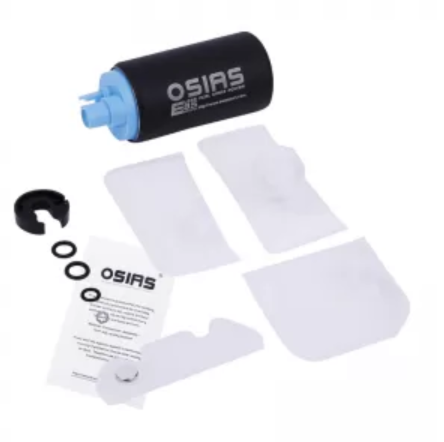
How Does a Motorcycle Fuel Pump Work?
The fuel pump system operates by pulling fuel from the tank while it moves the fuel through the fuel lines to deliver fuel into the fuel injectors or carburetor system. The fuel pump in fuel-injected motorcycles maintains pressure stability which enables the injectors to deliver fuel precisely to the engine. The majority of contemporary motorcycles utilize electric fuel pumps because these systems offer superior performance and dependable operation when compared to earlier mechanical fuel delivery systems.
Types of Motorcycle Fuel Pumps Motorcycles utilize two primary fuel pump types for their operational needs. Modern motorcycles usually employ electric fuel pumps which function as their standard fuel delivery system while the pumps reside within their fuel tanks. The mechanical fuel pump system powers carbureted motorcycles through engine movement while older motorcycle models use this technology. Electric pumps function as the preferred option because they deliver superior fuel efficiency combined with stable operational performance.
Signs of a Failing Motorcycle Fuel Pump
The fuel pump failure results in multiple problems which affect the motorcycle's operational capabilities. The bike experiences problems starting, engine sputters at high speeds, power loss occurs suddenly, and the fuel tank produces strange whining sounds. The motorcycle fails to start under specific conditions. Early detection of these signs prevents additional harm to the system.
Causes of Fuel Pump Failure Several factors contribute to the operational failure of motorcycle fuel pumps. The pump suffers damage when the bike operates on contaminated fuel and experiences clogged filters while running on low fuel supply. The combination of overheating and time-based component degradation leads to pump failure. The pump lifespan extends through regular maintenance which includes handling clean fuel.
Maintenance Tips for Better Performance
The motorcycle fuel pump requires high-quality fuel usage together with scheduled fuel filter changes to maintain its operational condition. The pump operates with better cooling when fuel exists in the tank because empty tank operation creates a risk of pump overheating. Fuel system inspections should occur on a regular basis to detect issues before they develop into more severe problems while supporting stable engine operation.
When to Replace a Motorcycle Fuel Pump
The motorcycle requires fuel pump replacement when ongoing performance problems continue after all required maintenance procedures have been conducted. The engine fails to operate at its optimal level because a worn-out pump cannot maintain the necessary operational pressure. The replacement of the existing system with a new top-tier unit will deliver dependable operations while enhancing the overall riding experience.
Final Thoughts
The motorcycle fuel pump functions as the essential mechanism which maintains your motorcycle's operational efficiency throughout its performance period. System understanding through operations knowledge and early sign detection together with system upkeep practice will prevent you from OSIAS fuel pump suffering sudden system failures. The maintenance schedule and regular part replacement will ensure your motorcycle maintains its optimal operational capacity throughout its entire lifespan.
Kommentarer
Logg inn for å skrive en kommentar.
Siste fra Post Sphere

Hurtigtørk-kraft: Maksimer din mini-hårføner
06.01.2026
