Understanding Syringe Sizes and Their Clinical Applications
Postet av Muhammad Osama Mobeen den 23. jul 2026
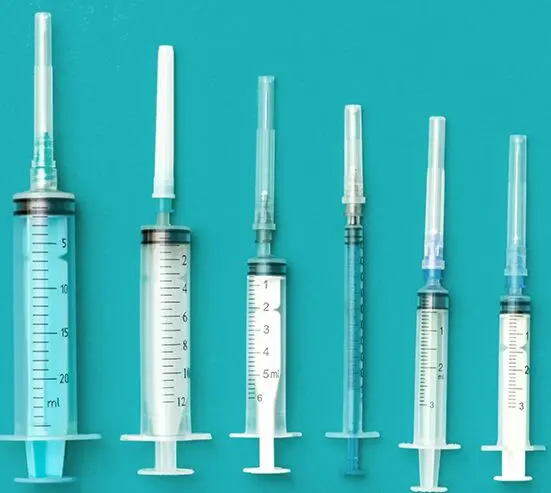
Syringes come in a wide range of sizes, each suited to different clinical applications based on the volume of medication or fluid being administered, and understanding this range provides valuable foundational knowledge for clinical practice, procurement planning, and general medical device education.
Why Syringe Size Range Matters Clinically
Different clinical scenarios require vastly different fluid volumes, from tiny pediatric medication doses measured in fractions of a milliliter to larger volume applications requiring tens of milliliters for a single administration, making a broad range of available syringe sizes essential for healthcare facilities to appropriately match device selection to specific clinical need.
Common Syringe Size Categories
Reviewing standard syringe sizes typically reveals a range spanning from very small 1 milliliter syringes, often used for precise pediatric dosing or insulin administration, through common mid-range sizes like 3, 5, and 10 milliliter syringes suited to many routine medication administration needs, up to larger 20, 30, and 60 milliliter syringes used for applications requiring greater fluid volumes, such as certain irrigation procedures or larger volume medication administration.
Precision Considerations for Smaller Syringe Sizes
Smaller syringe sizes typically offer finer gradation markings relative to their total capacity, supporting more precise dosing accuracy for applications like pediatric medication administration or insulin dosing, where even small volume differences can carry meaningful clinical significance, making appropriate syringe size selection an important dosing accuracy consideration beyond simply ensuring adequate total capacity.
Matching Syringe Size to Specific Clinical Applications
Clinical staff should select syringe size based on the specific volume being administered, generally choosing a syringe size that allows the intended dose to occupy a meaningful portion of the syringe’s total capacity, since using an oversized syringe for a very small dose can reduce dosing precision due to less pronounced markings relative to the actual volume being measured.
Barrel Diameter and Plunger Force Considerations
Beyond total capacity, syringe barrel diameter affects the force required to depress the plunger for a given flow rate, with larger diameter syringes generally requiring different force application compared to smaller diameter alternatives, a consideration relevant to certain clinical applications involving viscous medications or specific administration rate requirements.
Compatibility With Needle and Connector Systems
Syringes need to maintain compatibility with standard needle attachment systems, typically luer-based connections, ensuring reliable interface with various needle gauges and other connected devices depending on the specific clinical application the syringe is being used for.
Procurement Planning for Diverse Clinical Needs
Healthcare facilities should maintain adequate inventory across the range of syringe sizes their clinical operations require, recognizing that different departments and patient populations, from pediatric to adult care settings, typically require different proportional distribution across the available size range based on their specific typical clinical applications.
Conclusion
Understanding the range of available syringe sizes and their appropriate clinical applications supports both effective patient care and informed procurement planning for healthcare facilities. Matching syringe size selection to specific dosing volume and precision requirements represents a fundamental element of safe, effective medication administration practice.
FAQs
Q1: Why does syringe size selection matter for dosing accuracy? Using a syringe size where the intended dose occupies a meaningful portion of total capacity supports more precise measurement compared to using an oversized syringe with less pronounced markings relative to the actual dose volume.
Q2: What is the typical range of common syringe sizes? Common sizes range from very small 1 milliliter syringes for precise pediatric or insulin dosing up to larger 20, 30, and 60 milliliter syringes for applications requiring greater fluid volumes.
Q3: Why do smaller syringes typically offer finer gradation markings? Finer markings relative to total capacity support more precise dosing accuracy, particularly important for applications like pediatric medication or insulin administration where small volume differences matter clinically.
Logg inn for å skrive en kommentar.