Peak Ceiling Storage Shelter in Nordic conditions: structure, efficiency and safe use
Postet av alexa helrs den 7. Apr 2026
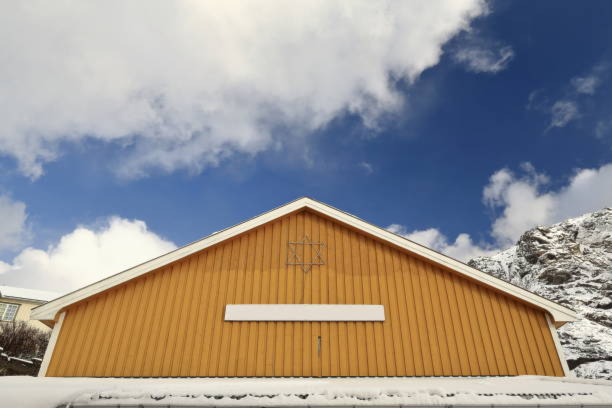
In Finland, the storage of equipment and materials is an important part of logistics and industrial operations. The climate with snow, rain and temperature fluctuations requires flexible and robust storage solutions. A peak ceiling storage shelter provides a practical solution for temporary or permanent protection of goods and machinery. Such structures are often used where traditional buildings are not available or appropriate. In addition, they allow businesses to quickly expand storage capacity without long construction times.
Technology and applications
A storage tent with a sloping roof consists of a steel structure and a durable canvas material. The sloping roof shape allows snow and water to be channeled away, reducing the load on the structure. This contributes to stable operation in harsh weather conditions and extends the life of both the structure and the stored equipment.
Common uses
Storage of vehicles and machinery
Temporary storage for goods and materials
Protection of equipment on construction sites
Use in logistics and transport areas
These solutions provide flexibility in areas with limited infrastructure and varying needs.
Efficiency, safety and productivity
Effective storage reduces damage to equipment and goods. By protecting against the elements, businesses can maintain operations without unnecessary interruptions. This increases productivity and reduces maintenance costs over time.
Safety is also improved through better organization of storage areas. Structured storage reduces the risk of accidents and provides better control over the working environment, especially in busy logistics environments.
Technical requirements and assessments
When choosing a peak ceiling storage shelter , the following should be considered:
Strength and quality of the steel frame
The thickness and weather resistance of the fabric
Height and width in relation to storage needs
Anchoring system adapted to the substrate
These factors determine how well the structure works in practice and how long it can be used effectively.
Factors affecting performance
Snow load and wind conditions
Ground conditions and drainage
Correct assembly of frame and canvas
Regular maintenance
Good planning and control contribute to stable operations over time and reduce the risk of structural problems.
Security and best practices
Ensure proper anchoring before use
Check the construction regularly
Keep entrances and work areas tidy
Avoid overloading the structure
These measures reduce risk and ensure safe use in various weather conditions.
Equipment and accessories
Storage tents can be combined with several solutions:
Anchoring systems for stability
Lighting for working in dark periods
Ventilation solutions for air flow
Floor protection for heavy equipment
An example of such a solution can be seen here: peak ceiling storage shelter reference.
Advantages and limitationsAdvantages
Flexible installation without permanent construction
Protection from weather and environment
Cost-effective solution
Limitations
Requires proper assembly
Less durable than permanent buildings
Depending on maintenance
Practical examples
In Finnish logistics environments, such storage tents are used to protect vehicles and goods throughout the winter. On construction sites, they function as temporary storage areas. This provides better control and reduces losses due to weather conditions. In addition, they are used in port areas where temporary storage is necessary for seasonal transport.
Conclusion and future trends
Peak ceiling storage shelters are an important solution for flexible storage in Nordic conditions. They support efficient operations and safe handling of equipment and materials.
Future solutions will focus on stronger materials, better anchoring and increased resistance to weather. As the need for flexible storage systems increases, such structures will play an important role in logistics and industry.
Kommentarer
Logg inn for å skrive en kommentar.